Research
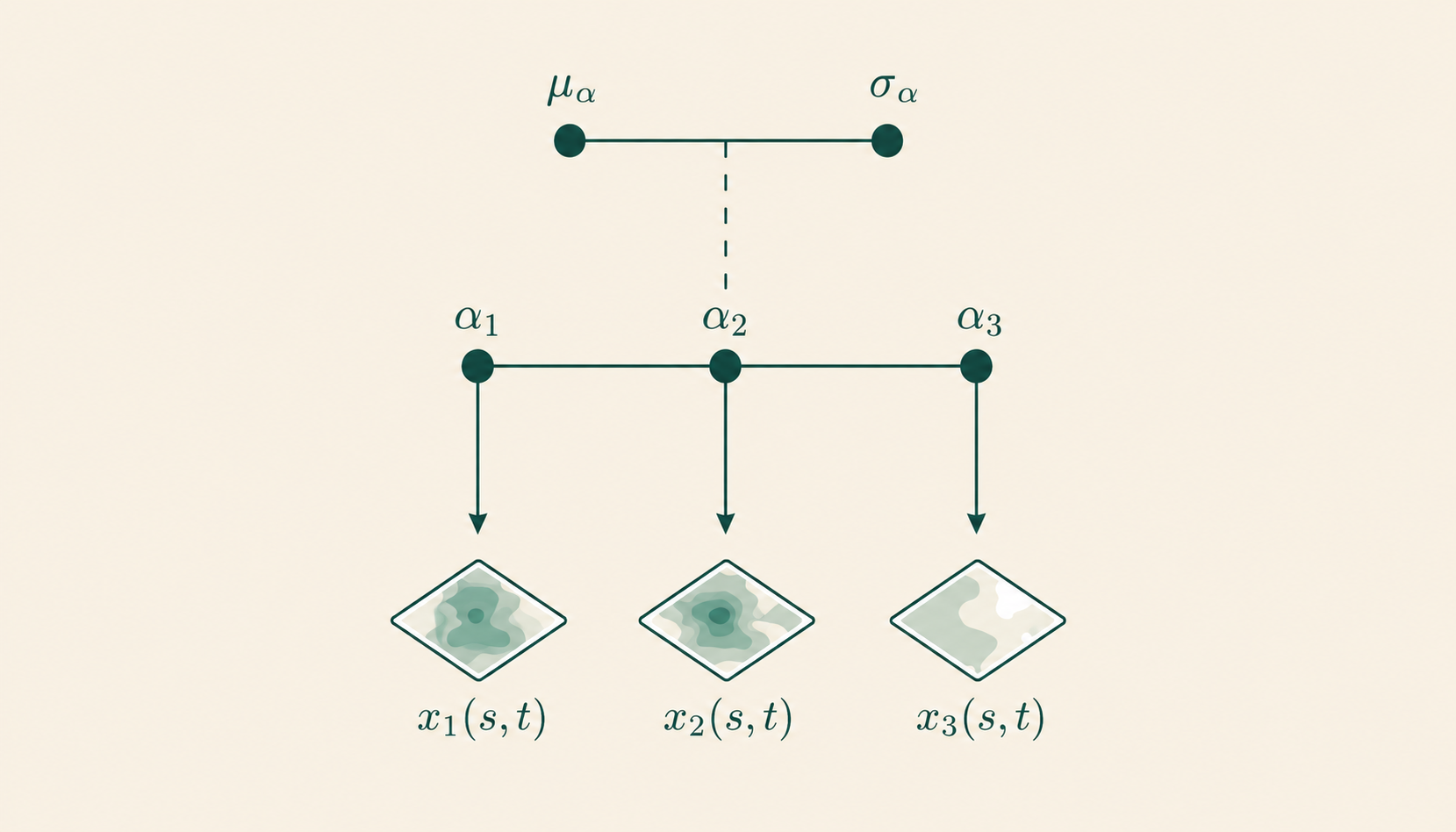
Bayesian Hierarchical Models
Application of Bayesian hierarchical spatio-temporal models across environmental, health, and ecological fields to characterize complex patterns, assess risks, and support evidence-based decision-making.
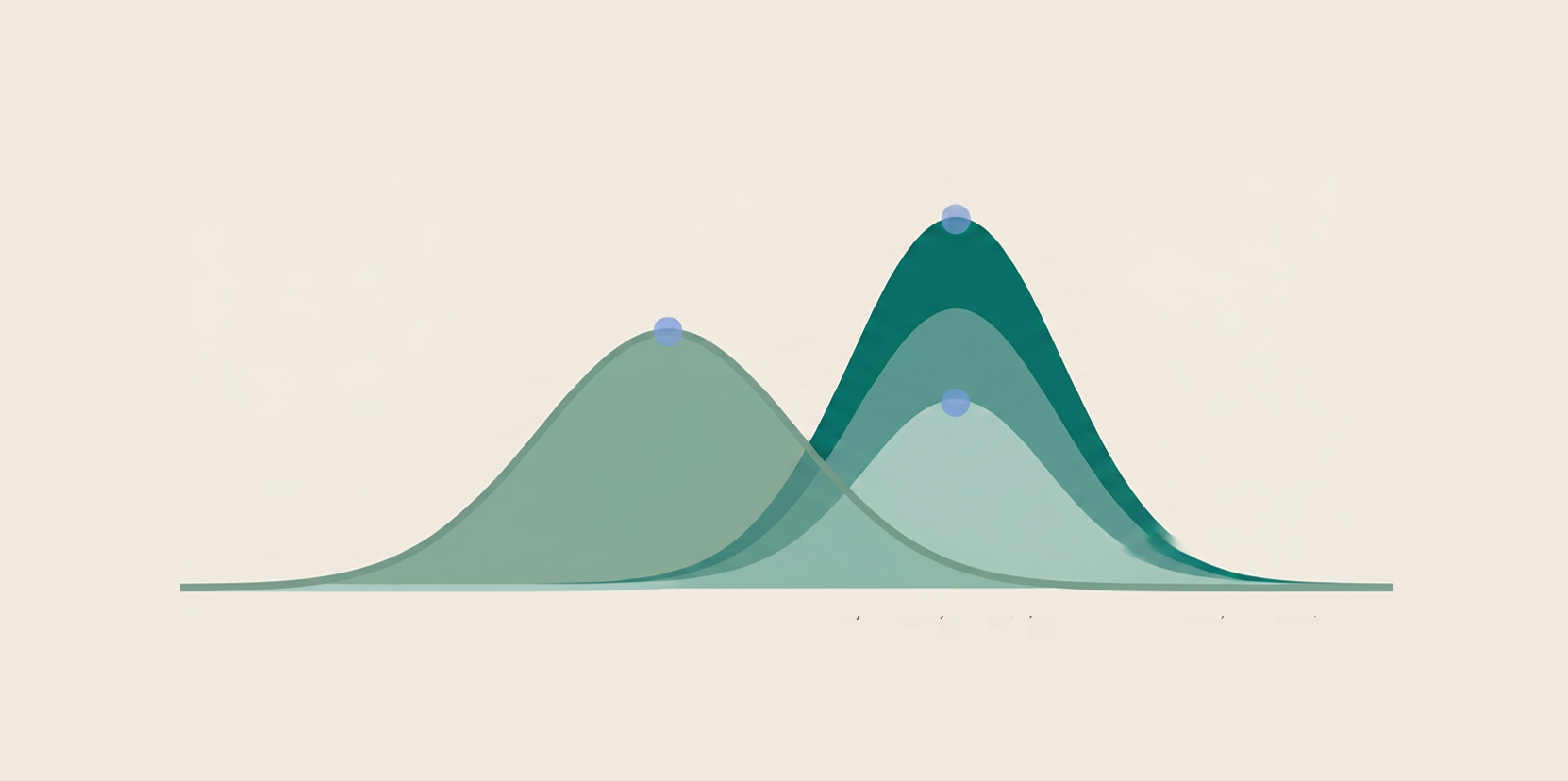
Approximate Bayesian Inference
Development of scalable spatio-temporal Bayesian models using INLA to allow fast and accurate inference, overcoming the computational limitations of traditional MCMC methods.
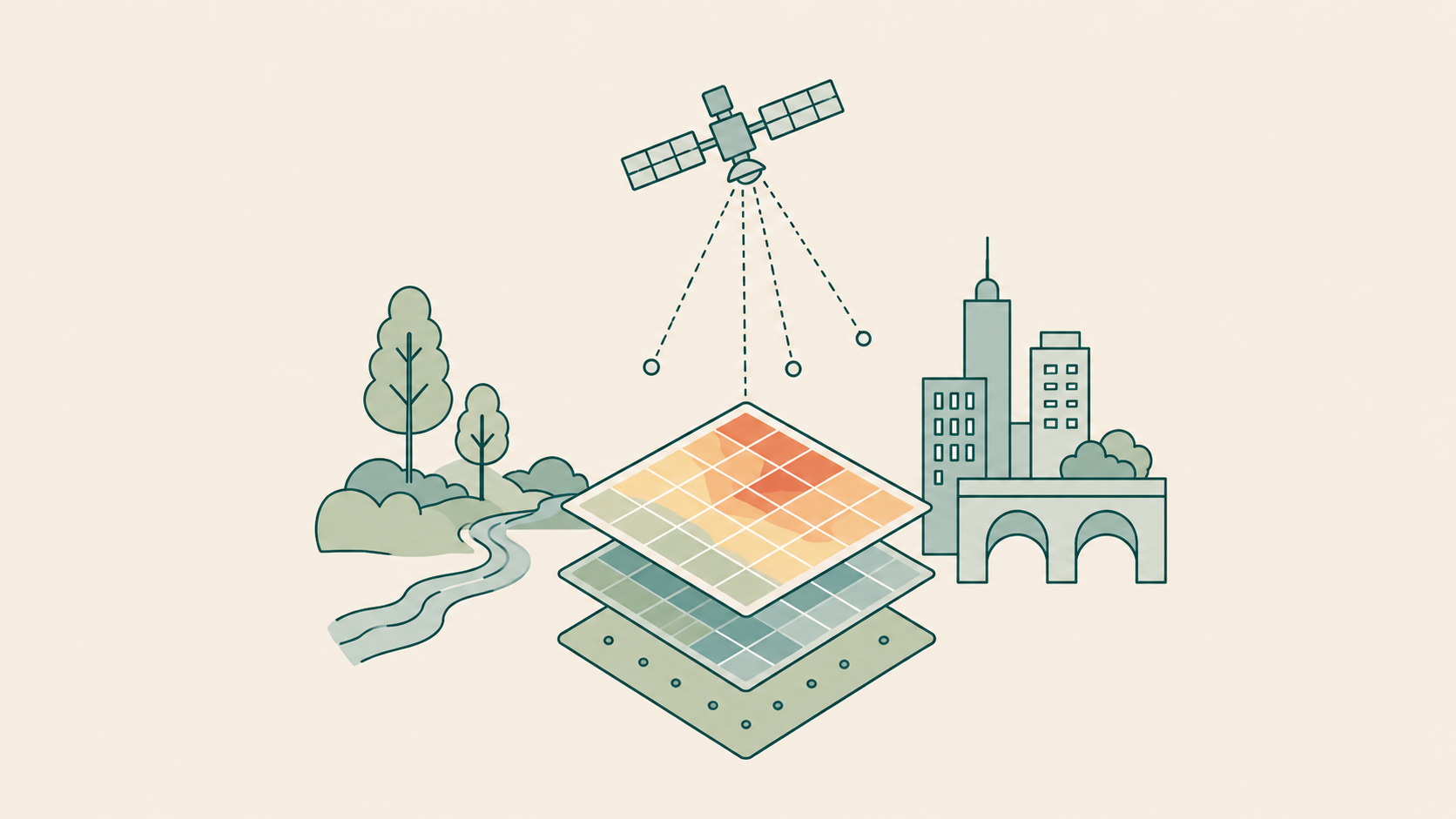
Urban & Environmental Studies
Study of environmental and urban systems through geospatial data, remote sensing, and composite indicators, with applications to urban heat, sustainable planning, climate and environmental vulnerability, human well-being, and ecosystem monitoring.
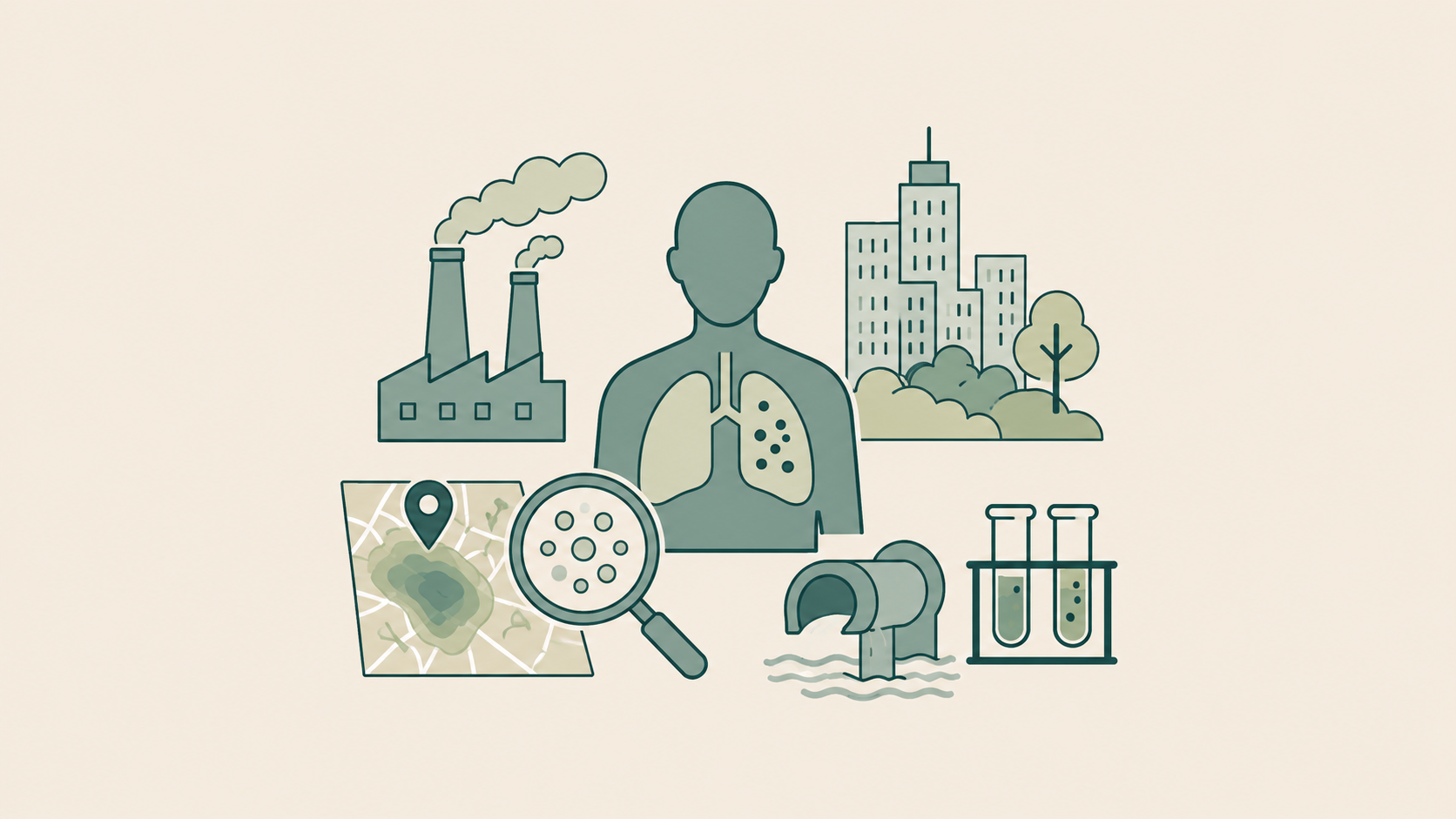
Environmental & Occupational Epidemiology
Investigation of environmental and workplace-related determinants of health through epidemiological studies and population surveillance, with applications to environmental exposure assessment, occupational exposure-outcome studies, disease mapping, and wastewater-based epidemiology.

Tourism Analytics
Data-driven analysis of tourism systems and visitor mobility, integrating heterogeneous data sources to identify spatial, temporal, and behavioural patterns and support sustainable destination management and territorial planning.
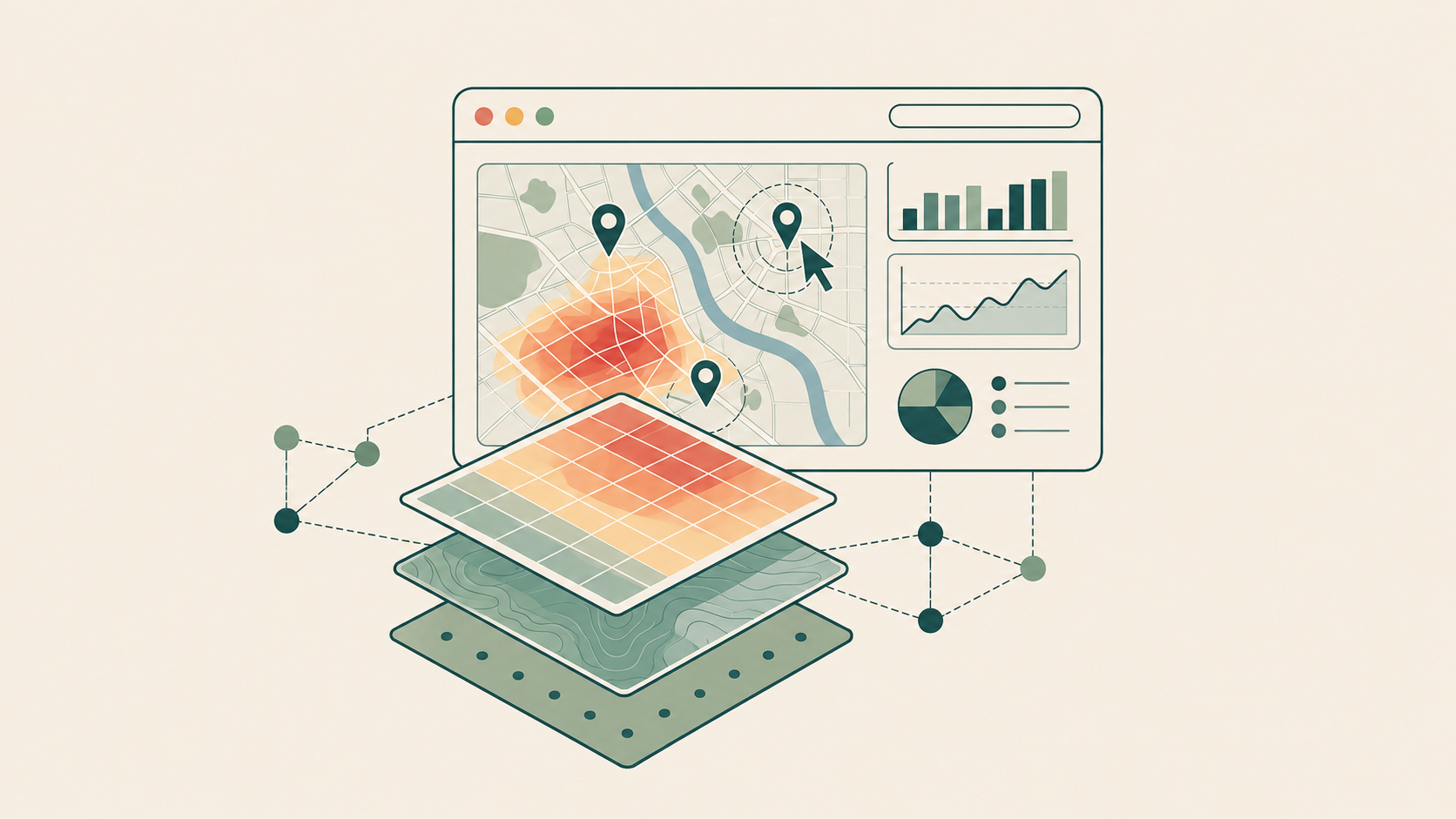
Geospatial Data Visualization
Turning complex spatial analyses into web-based mapping applications and interactive visualizations that make results easier to explore, interpret, and use for decision-making.